
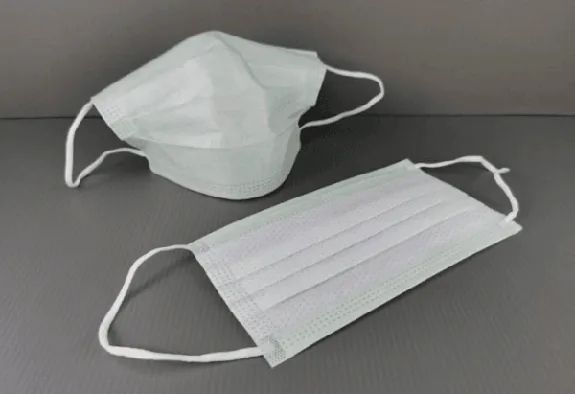
With air pollution rising in many cities, face masks have become a daily essential for commuters, outdoor workers, and anyone who spends time in high-traffic areas. But not every mask provides the same protection, and understanding what a mask can (and cannot) do helps you choose the right option.
How Air Pollution Affects Health
Air pollution contains fine particulate matter (PM2.5 and PM10) and other pollutants that can irritate the nose, throat, and lungs. Over time, exposure may worsen allergies, asthma, and other respiratory conditions.
Which Masks Help Against Pollution?
For protection against fine particles, look for masks designed with effective filtration and a good face seal. Options such as respirator-style masks can reduce exposure when worn correctly. Fit matters: gaps around the nose or cheeks can reduce performance significantly.
Key Features to Look For
- Filtration efficiency for fine particles
- Comfort for long wear (breathability + soft inner layer)
- Secure fit (nose wire + proper ear loops/head straps)
- Skin-friendly materials for sensitive users
Disposable vs Reusable Masks
Disposable masks are convenient and hygienic for short-term use, while reusable masks can be cost-effective when maintained properly. Always follow usage instructions for replacement or washing to keep protection consistent.
Conclusion
Face masks can support day-to-day protection against pollution when chosen carefully and worn correctly. If you need guidance on selecting masks for your business or personal use, Green Packs can help you source reliable options for your requirements.